


Am I Burnt Out?
Take our free, confidential burnout test. Answer each statement honestly — your results are entirely private and will help you understand whether professional support may be of benefit.
For individuals who value complete discretion and a truly personalised approach
Before You Begin
Before You Take the Burnout Test
Burnout is not simply tiredness. In high-achieving individuals it often goes undetected for months — hidden beneath a surface of continued performance. This burnout quiz is not a diagnosis. It is a private space to reflect on your experience and consider whether professional support may help.
- Burnout develops gradually — many high-achieving individuals do not recognise it until it is advanced
- Burnout is not a weakness — it is a physiological and psychological response to sustained overload
- This burnout test takes two minutes and is entirely confidential
- There are no right or wrong answers — respond honestly for the most accurate reflection
Burnout Self-Assessment
For each statement below, select how often it applies to you. This burnout quiz takes approximately two minutes and is intended for self-reflection, not diagnosis.
Your answers are not stored and are never shared. If you choose to have your result emailed to you, we use that address only to send it.
Burnout Symptoms: What This Test Measures
Burnout symptoms fall into three interlocking dimensions: emotional and physical exhaustion, a growing sense of cynicism or detachment, and a diminishing belief in your own effectiveness. This burnout test asks you to reflect on all three, plus the sleep, concentration and physical changes that commonly accompany them.
Burnout is not tiredness. It develops gradually — through months or years of sustained overload — which is precisely why it is so frequently missed. A self-assessment cannot diagnose burnout or replace a professional evaluation. Its purpose is to help you identify a pattern worth exploring further, particularly when changes in energy, motivation or engagement persist rather than lifting after a break.
Your answers are a starting point for reflection, not a diagnosis.

High-Functioning Burnout: When Nobody Around You Notices
For high-achieving individuals the risk is compounded. The same qualities that drive success — conscientiousness, ambition, a reluctance to ask for help — are the qualities that make it easy to override the early signals of depletion.
Burnout in these cases does not look like collapse. It looks like someone still delivering at a high level while feeling increasingly hollow inside. Colleagues notice nothing. Performance holds, sometimes for years, because the person compensates. What erodes first is private: sleep, patience, enjoyment, the sense that any of it matters.
Continuing to function does not rule out burnout. The more useful questions are how much effort ordinary functioning now requires, and how long it has been that way.
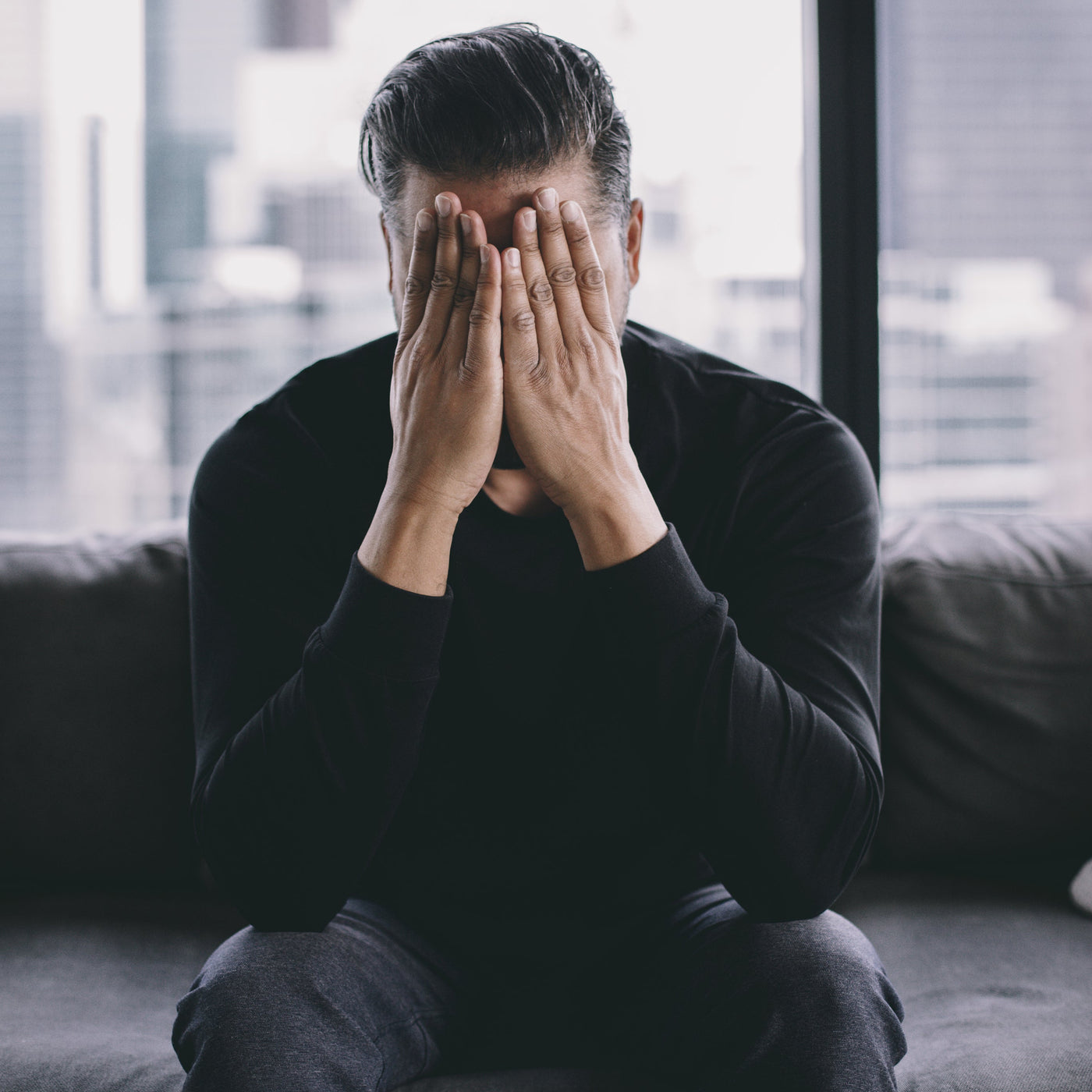
The Cumulative Cost of Burnout on Health, Work and Relationships
Left unaddressed, burnout accumulates cost across every dimension of life. Professionally it shows as declining performance, decision fatigue, creative depletion and an inability to be fully present — even during moments that matter. The individual may still appear capable, but the reserves sustaining that performance are running critically low.
Physically, prolonged burnout keeps the body's stress-response systems activated: disrupted sleep architecture, suppressed immunity, persistent fatigue and somatic symptoms that resist ordinary medical explanation.
In relationships it produces emotional withdrawal and a flattening of warmth — not from indifference, but from depletion. Burnout also frequently co-occurs with anxiety, depression, insomnia and problematic alcohol or stimulant use, as people try to manage their energy artificially. If low mood and loss of interest extend well beyond work, it may be worth also taking the depression self-assessment.

Recognising the Pattern
Signs of Burnout to Look For
Signs of burnout are rarely obvious from the outside. What matters is not one isolated symptom but the pattern, its persistence, and whether rest still repairs it. Common signs include:
- You have not felt genuinely rested after a holiday or extended time away in months
- Work that once energised you now feels effortful, empty, or without meaning
- You are going through the motions — performing competence while feeling hollow inside
- Physical symptoms — persistent fatigue, recurring illness, tension — are becoming harder to explain
- You are more reactive, withdrawn, or impatient than those close to you are used to
- You are using alcohol, sleep aids, or stimulants to regulate your energy or mood
- Your result on this burnout test was in the moderate or high range
- Previous attempts to recover through rest or lifestyle changes alone have not produced lasting change
Burnout Test — Frequently Asked Questions
Frequently Asked Questions — Burnout Quiz
Questions about burnout symptoms, how this self-assessment works, what your result may mean, and when to consider professional support.
What is burnout?
Burnout is a syndrome resulting from chronic workplace or life stress that has not been successfully managed. It is characterised by three dimensions: feelings of energy depletion or exhaustion, increased mental distance from one's work along with cynicism or negativity, and reduced professional effectiveness. It develops gradually rather than suddenly, and it does not resolve with ordinary rest once it is established.
A recognised occupational syndrome
What are the main symptoms of burnout?
The core burnout symptoms are exhaustion that rest no longer repairs, emotional detachment or cynicism toward work and people, and a declining sense of your own effectiveness. These are commonly accompanied by disrupted sleep, difficulty concentrating, irritability, loss of enjoyment, and physical signs such as headaches, digestive problems, chronic tension or frequent minor illness. No single symptom confirms burnout — the pattern and its persistence are what matter.
Pattern and persistence matter more than any single sign
Is burnout the same as stress or exhaustion?
Not exactly. Stress is typically a short-term response to pressure that resolves when the demand subsides. Burnout is what happens when that pressure becomes chronic and the capacity to recover is progressively eroded. It is characterised by deep exhaustion, emotional detachment, and a loss of efficacy that does not resolve with ordinary rest. Recognising the distinction matters, because interventions that help with stress alone are often insufficient for burnout.
Burnout is distinct from stress — and needs a different approach
Is it burnout or depression?
They share symptoms — exhaustion, low motivation, poor concentration, emotional detachment — which makes them difficult to separate without a professional assessment. The clearest difference is context: burnout centres on work and typically eases somewhat when you are genuinely away from it, while depression extends across work, relationships and other areas of life and tends to persist regardless of setting. The two also overlap, so experiencing burnout does not rule out depression.
They overlap — one does not exclude the other
Is this burnout quiz medically accurate?
This burnout test is a self-assessment tool, not a clinical diagnosis. It is designed to help you reflect on your experience and consider whether professional support may be helpful. For an accurate clinical assessment, we recommend speaking with a qualified specialist.
Self-assessment tool — not a diagnosis
Are my answers stored or shared?
Your answers are not stored on our servers and are never shared with any third party. No account or personal information is required to complete this burnout test or to see your result on screen. If you choose to have your result emailed to you, we use that email address only to send it to you.
Private by default — never shared
What should I do if my burnout test score is high?
A high score suggests your experience may benefit from structured professional support rather than rest alone. Speaking to a specialist — confidentially and without obligation — is a meaningful first step. Our admissions team is available for a private conversation on +44 737 938 8256, at no cost and no commitment.
Speak confidentially — no obligation
Can burnout be resolved with a holiday or time away from work?
In mild cases, meaningful rest can offer some relief. But for individuals experiencing moderate to significant burnout, time off alone rarely produces lasting recovery. Burnout develops through structural imbalances — in workload, boundaries, values, and nervous-system regulation — that require structural intervention. At Oasis, our holistic programme is designed to address these root causes alongside evidence-based therapies, somatic work, and specialist coordination, to support genuine and lasting recovery.
Genuine recovery requires more than rest alone
Can I take this test on behalf of someone I am concerned about?
You can read the questions to help you reflect on changes you have noticed in someone close to you, but the result should not be treated as an assessment of another person — the statements are written to be answered from your own experience. If you are concerned about a partner, family member or colleague, our admissions team can advise on how to approach the conversation and how to support someone who may not yet feel ready to seek help.
Support for families and those close to themLearn More About Burnout Recovery at Oasis
-
Burnout Recovery — Private, One-to-One Care at OasisPersonalised residential recovery support for burnout at Oasis Premium Recovery, Southern Spain
-
Depression Self-Assessment — If It Extends Beyond WorkBurnout and depression overlap. A separate two-minute test if low mood reaches other areas of life
-
Anxiety Treatment — Frequently Co-occurring with BurnoutAnxiety and burnout often present together — our programme addresses both within one plan
-
Programmes, Duration and What Is IncludedAll programme options, lengths of stay, and what each package includes