


Burnout & Exhaustion Rehab Spain — Private, One-to-One Recovery
Private, one-to-one burnout treatment at a discreet luxury residence in Marbella, Spain. No group settings. No waiting lists.
For individuals who value complete discretion and a truly personalised approach
Burnout Treatment: Understanding the Condition and Effective Pathways to Recovery
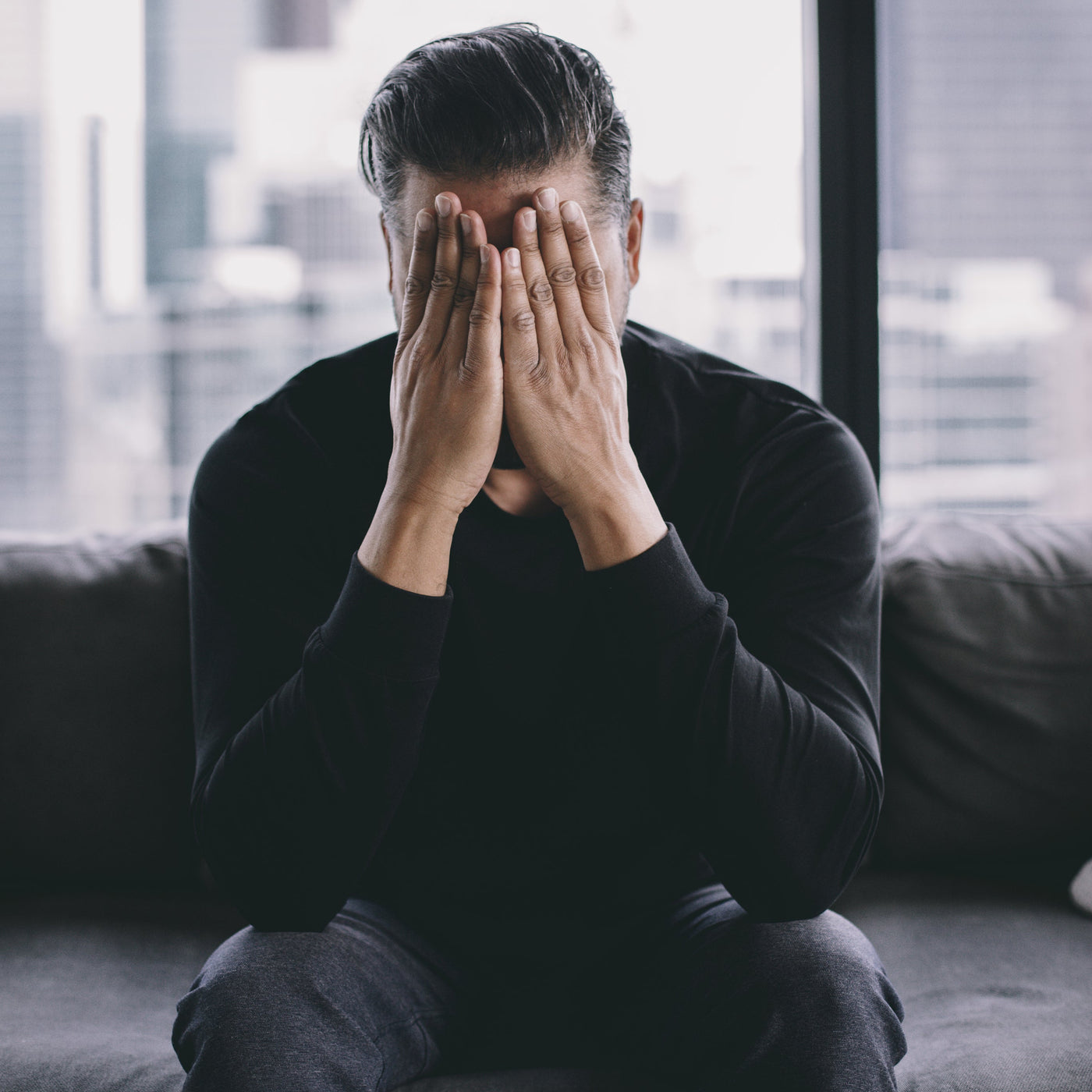
Burnout is not a personal failure — it is a predictable response to prolonged stress without adequate recovery. It affects individuals across all levels of functioning: executives, professionals, parents, and high achievers who have given too much for too long without sufficient rest or restoration.
Common signs that burnout treatment may be needed:
- Emotional exhaustion — persistent depletion that sleep no longer repairs
- Cognitive impairment — reduced concentration, memory gaps, and decision fatigue
- Detachment and cynicism — withdrawal from work, relationships, or activities once valued
- Physical symptoms — chronic tension, headaches, digestive issues, or frequent illness
- Loss of meaning — diminished motivation and a sense that nothing matters
- Anxiety or low mood — often co-occurring alongside or beneath burnout
If you are unsure whether this describes you, our confidential burnout self-assessment takes under three minutes.
Understanding Burnout and Chronic Exhaustion
Burnout develops gradually and often goes unrecognised until functioning is significantly impaired. Core features include emotional exhaustion, reduced cognitive capacity, diminished motivation, detachment or cynicism, and a loss of meaning or satisfaction in work and life. Many individuals also experience anxiety, low mood, sleep disruption, irritability, impaired concentration, and physical symptoms such as headaches, digestive issues, or chronic tension.
Burnout frequently overlaps with anxiety, depression, ADHD, trauma exposure, and perfectionistic or high-achievement conditioning. In some cases it masks or precedes more clinically defined mental health conditions. At its core, burnout reflects chronic nervous-system overactivation combined with insufficient recovery, boundary erosion, and prolonged emotional demand.
At Oasis Premium Recovery, burnout treatment begins by understanding your specific pattern — whether primarily driven by professional overload, identity pressure, relational exhaustion, or co-occurring anxiety and depression. No two burnout presentations are alike, and no two programmes are either.
Effective Burnout Treatment: What Actually Works
The most effective treatment for burnout is comprehensive, restorative, and personalised, focusing on recovery rather than pushing for rapid performance improvement.
At Oasis, burnout treatment programmes are built around this restorative model — combining nervous-system regulation, evidence-based psychotherapy, and structured lifestyle restoration within a private five-star residence in Marbella, Spain.

Stabilisation & Nervous System Regulation
- Somatic therapies & TRE — release chronic fight-or-flight activation stored in the body
- Breathwork & mindfulness-based stress reduction — restore baseline calm and reduce emotional reactivity
- Sleep restoration protocols — address disrupted patterns before deeper therapeutic work begins
Psychological Therapies
- CBT — reframes perfectionism, over-responsibility, and unrelenting internal standards
- ACT — supports values-based decision-making and psychological flexibility
- Trauma-informed / psychodynamic work — addresses deeper identity pressure or relational dynamics where present
Lifestyle & Behavioural Restoration
- Daily rhythm restructuring — rebuilding sustainable routines without performance pressure
- Nutritional optimisation & movement — reintroduced in a non-driven, restorative way
- Boundary work — developing and maintaining healthy limits, both external and internal
Co-Occurring Conditions
- Anxiety & depression — frequently co-occur with burnout and are integrated into the same plan
- ADHD — often a contributing factor to burnout in high-functioning adults, addressed within treatment
- Substance use — sometimes used as a coping mechanism, treated within the same coherent programme
Why a Residential Burnout Retreat Works Where Rest Alone Does Not
Burnout recovery requires a deliberate shift away from urgency and productivity-driven thinking. Predictable routines, reduced cognitive load, and adequate downtime allow the nervous system to recalibrate. Progress is made through consistency and rest, not intensity. Rushing recovery often prolongs or worsens symptoms.
A holiday removes the workload for a fortnight. A residential burnout retreat removes the workload and rebuilds the structures underneath it — sleep, boundaries, routine, and the internal standards that produced the overload in the first place. That is the difference between relief and recovery.
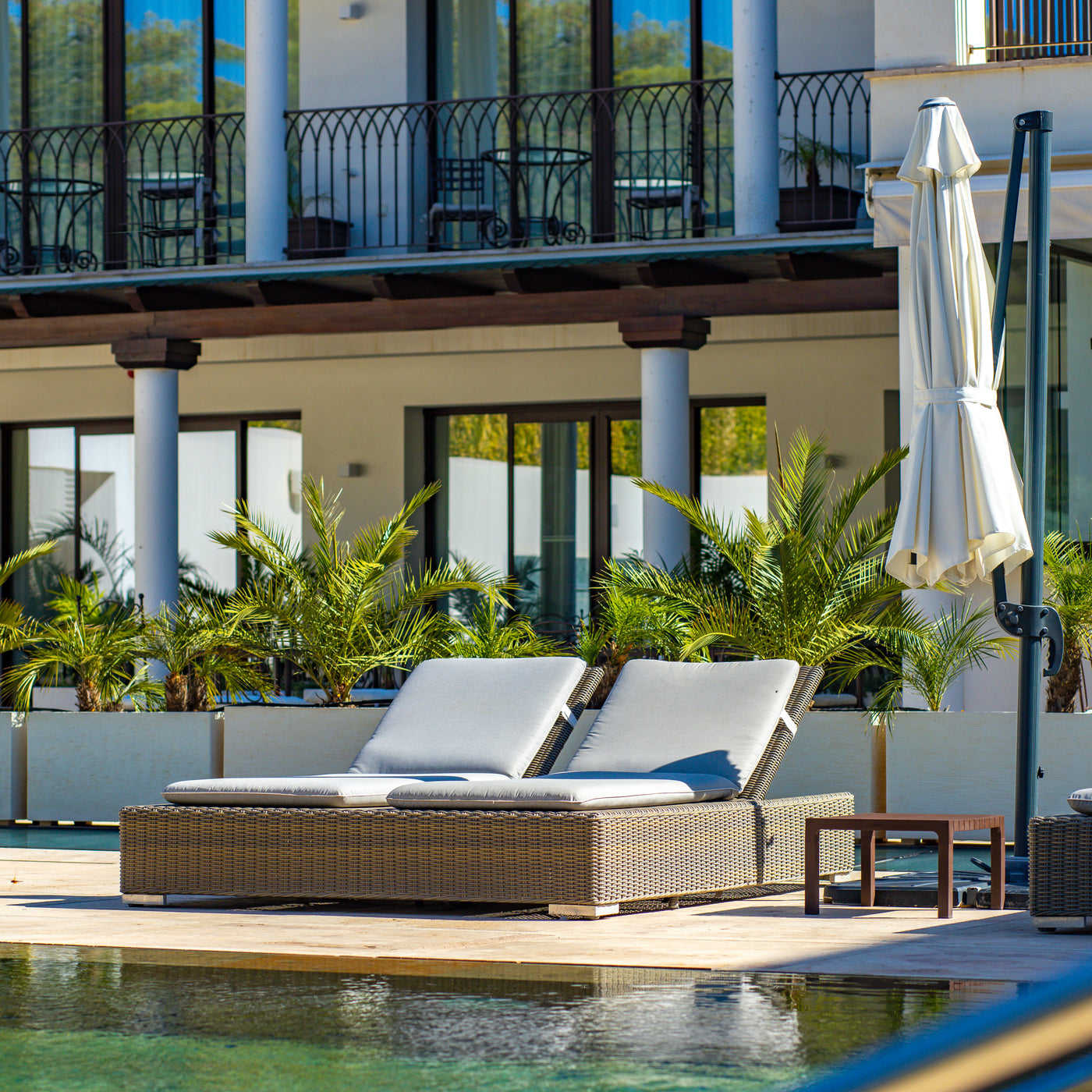
Oasis Premium Recovery provides precisely this environment — a private, quiet residence in Southern Spain where each day is individually structured and no productivity expectations are imposed. The warm climate, long daylight hours, and unhurried rhythm of the Costa del Sol naturally support the deep rest that burnout recovery requires.
Long-Term Recovery and Relapse Prevention
Sustainable recovery from burnout involves redefining one's relationship with work, achievement, and self-worth. Ongoing support, stress-management strategies, and early-warning-sign awareness help prevent relapse. Individuals who fully recover often report improved clarity, resilience, and a more balanced, values-aligned approach to life and performance.
Every burnout treatment programme at Oasis includes Lifetime Aftercare — structured follow-up sessions, a written relapse-prevention plan covering workload, boundaries, and early warning signs, and ongoing access to your team after discharge.

Begin Your Burnout Treatment in Marbella
Burnout is not a personal failure — it is a predictable response to prolonged stress without adequate recovery. When treated through a structured, integrative and restorative approach that addresses nervous-system regulation, psychological patterns and lifestyle balance, individuals regain energy, focus and emotional wellbeing. With the right support, burnout becomes not an endpoint but a turning point.
Oasis Premium Recovery offers private, one-to-one burnout treatment for adults in a discreet five-star residence in Marbella, Spain. Speak confidentially with our admissions team to explore your options and take the first step toward lasting recovery.

Our Approach to Burnout Treatment
ONE-TO-ONE BURNOUT TREATMENT
Every burnout treatment programme is delivered exclusively one-to-one. No group sessions, no shared spaces — only a senior practitioner focused entirely on your recovery.
RESTORATIVE PACING
Burnout treatment at Oasis is built around rest and recovery, not performance. Your programme is paced to allow genuine nervous-system restoration.
PRIVATE FIVE-STAR RESIDENCE
Burnout treatment takes place in a discreet luxury residence in Marbella, Spain — calm, quiet, and free from the triggers and pressures that sustain exhaustion.
COMPLETE CONFIDENTIALITY
From first enquiry to discharge, your privacy is protected at every step. We work with high-functioning adults who require complete discretion throughout treatment.
EVIDENCE-BASED TREATMENT
Your burnout treatment plan combines CBT, ACT, somatic regulation, TRE, and lifestyle restoration — selected and sequenced to match your specific presentation.
LIFETIME AFTERCARE
Every residential burnout treatment programme includes Lifetime Aftercare — structured follow-up, a relapse-prevention plan, and ongoing support after you leave.
Ready to Take the First Step?
Contact our admissions team for a private, confidential conversation. We will help you understand your burnout treatment options, programme length, and next steps — at your pace, on your terms.